January 11, 2022
Shining a Light on Domestic Violence in Wyoming (Part 2)
Building a Stronger Safety Net for Survivors
While the challenges are significant, Wyoming’s nonprofit organizations demonstrate that collaboration is the key to creating a strong safety net for survivors of domestic violence.
Organizations across the state work together with law enforcement, hospitals, schools, government agencies, and volunteers to ensure survivors are not left to navigate these challenges alone. As Molly Hughes says:
“In a rural state like Wyoming, no single organization can meet every need. When we collaborate, share resources, and support one another, we can truly make a difference in survivors’ lives.”
Breaking Down Barriers Through Collaboration
Turning Point: “We take a holistic approach. Safe shelter is just the start: we also help survivors access legal support, community resources, transportation, and short-term emergency housing.”
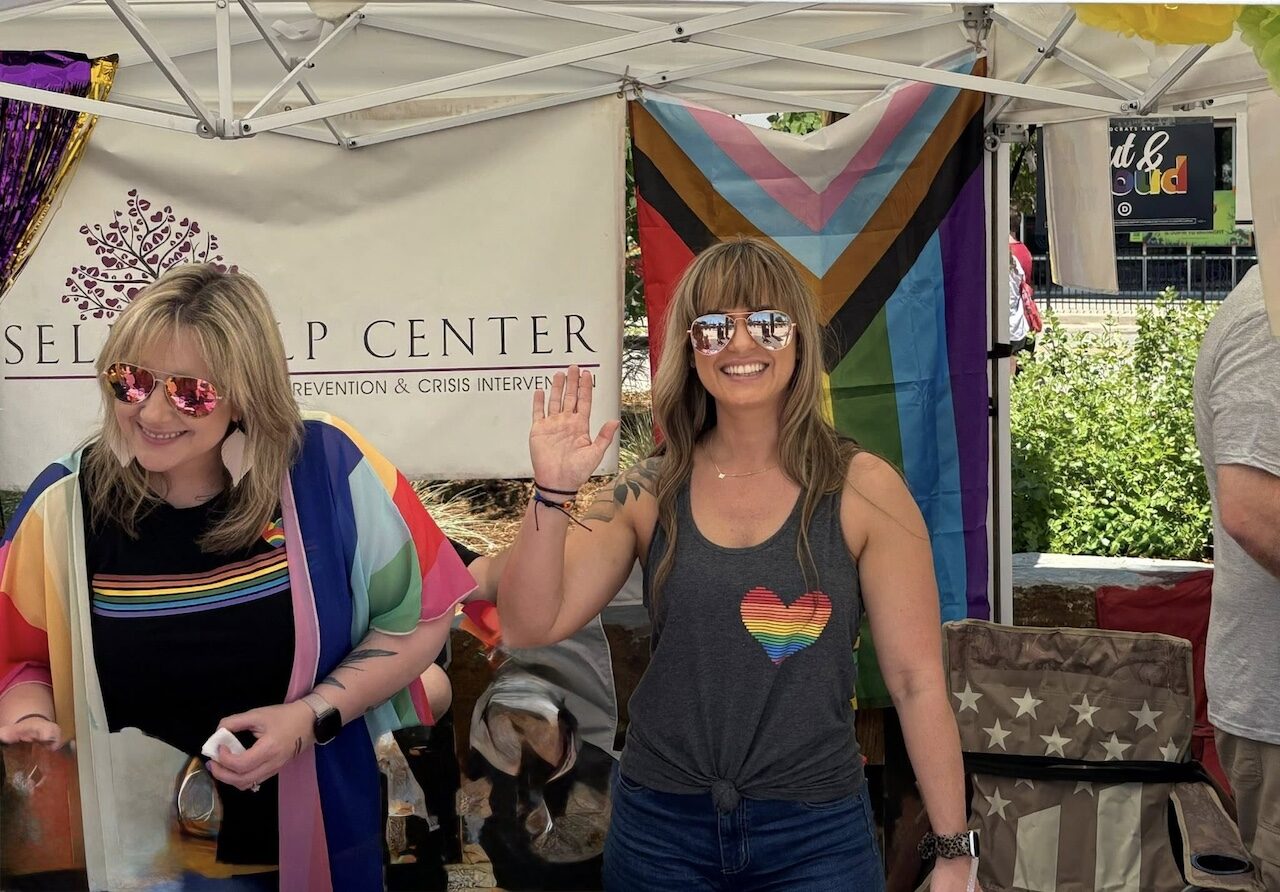
Self Help Center: “We partner with multiple agencies - from DFS to WCADVSA to Banner Health - to provide the support survivors need, from legal advocacy to mental health care.”
Family Crisis Center: “Our work focuses on safety and stability. We help survivors secure protection orders, navigate victim compensation, and maintain employment, all while ensuring their children are safe.”
Safehouse Services: “Case management and community referrals are crucial. We help survivors access counseling, housing, and employment opportunities, so they can rebuild their lives.”
Wyoming Coalition Against Domestic Violence and Sexual Assault: “Collaboration is the backbone of this work. Partnerships with local programs, law enforcement, schools, and housing authorities allow us to stretch limited resources and respond fully to survivors’ needs.”
How You Can Make a Difference
Every action counts in supporting survivors and preventing domestic violence:
- Believe and Listen: Simply standing with survivors when they come forward can change lives.
- Volunteer and Donate: Agencies rely on both financial support and donated time to sustain services.
- Advocate and Educate: Support policies expanding housing, childcare, healthcare, and legal services. Teach young people about healthy relationships, respect, and consent.
- Build Partnerships: Collaborate with local nonprofits, law enforcement, and community groups to strengthen support networks.
Together, these efforts create a safer, healthier Wyoming, ensuring survivors are not alone in their journey.